
Welcome! My name is Fruzsina Szente-Varga, a Woman FIDE Master from Hungary (yes, I’m a bit hungry, thanks for asking). I decided to start blogging more often about chess psychology, chess improvement, and my own chess experience, because by doing so I not only hope to help you learn more about this great (or terrible?) game, but also myself, which is a win-win, right?
In my first post, I’d like to tell you more about myself and my chess career, so you can get to know the person behind my future articles a little better (and I hope to get to know you better too along the way!).
As a little child, I often saw my family members play a strange board game against each other, and I couldn’t resist placing my little head on the chessboard to examine what was going on. Unfortunately, my parents thought this game was not for children, so they sent me away. This went on for quite some time, until one day in kindergarten, a kind lady came and introduced chess to us, and explained how each piece moves.
Following that, I went home proudly, convinced that I finally knew how to play *that game*, and that my parents would have no choice but to accept my challenge. Eventually, after a couple of eye rolls, my father gave in, and, as expected, he won our match while reading the newspaper and watching TV.
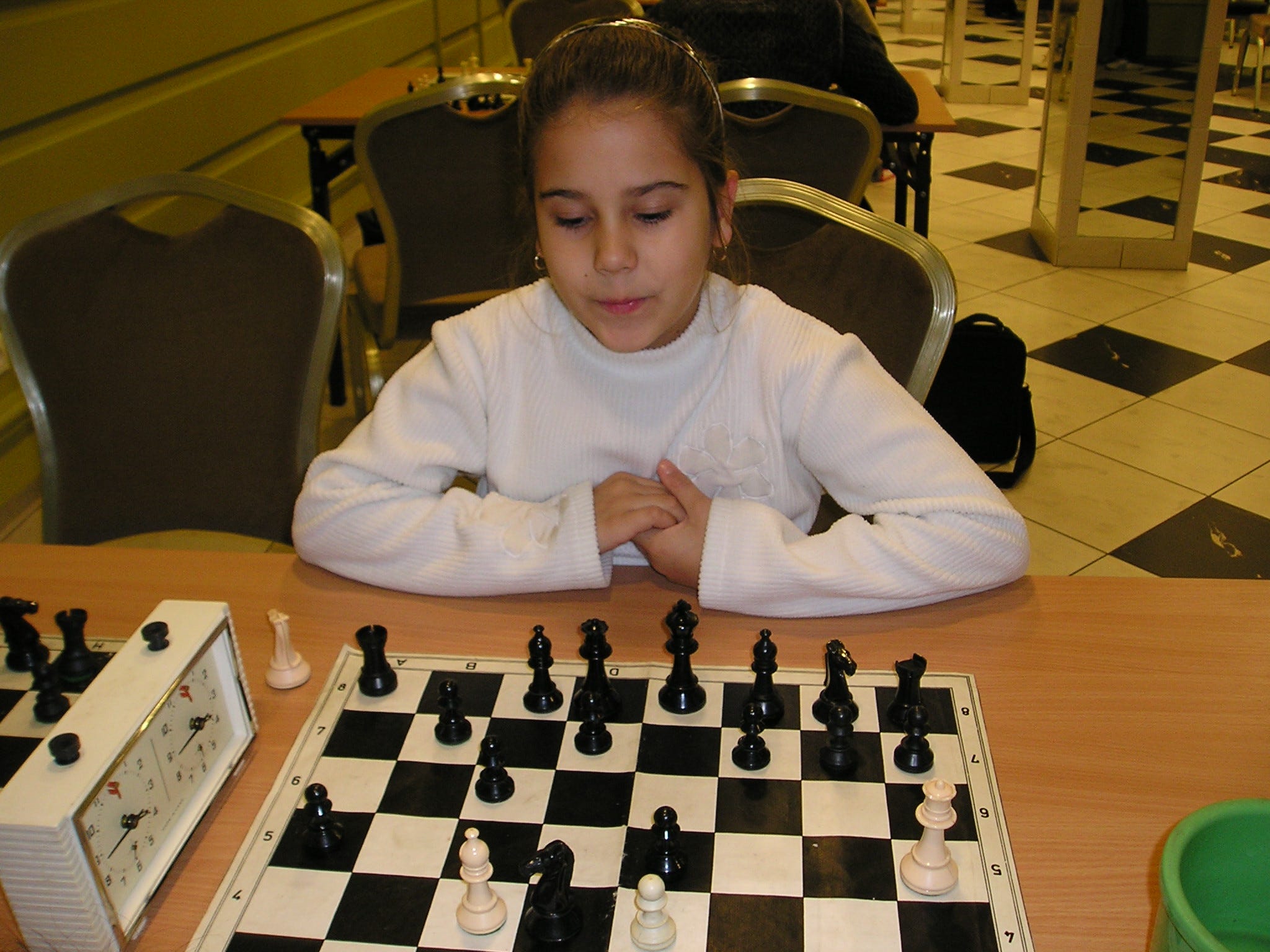
It wasn’t until I was 8 years old that I went to my first competition. My mother came home one day and excitedly told me that a small (rapid) chess tournament was being organized in the central park of our town, asking if I wanted to play. Of course I did! :)
After some consideration, my mom realized that since I’d be playing against adults, I needed to be a bit more prepared than I was. So she taught me a nice little trick: the Scholar’s Mate. Imagining how cool I’d be with my unbeatable new weapon, I sat down for the first round. You can probably guess how successful I was, naturally, no one fell for my early checkmate attack. However, one man (my first coach-to-be) told my mom that he saw “the fire in my eyes” and that he would like to teach me more about chess, if I wanted to as well. This is where my chess journey began.
From then on, I had weekly coaching sessions and attended blitz, rapid, or classical tournaments in the region or around the country almost every month. It didn’t matter whether they were for girls or boys, children or adults, which certainly made me a stronger player, especially since I was often facing stronger opponents.
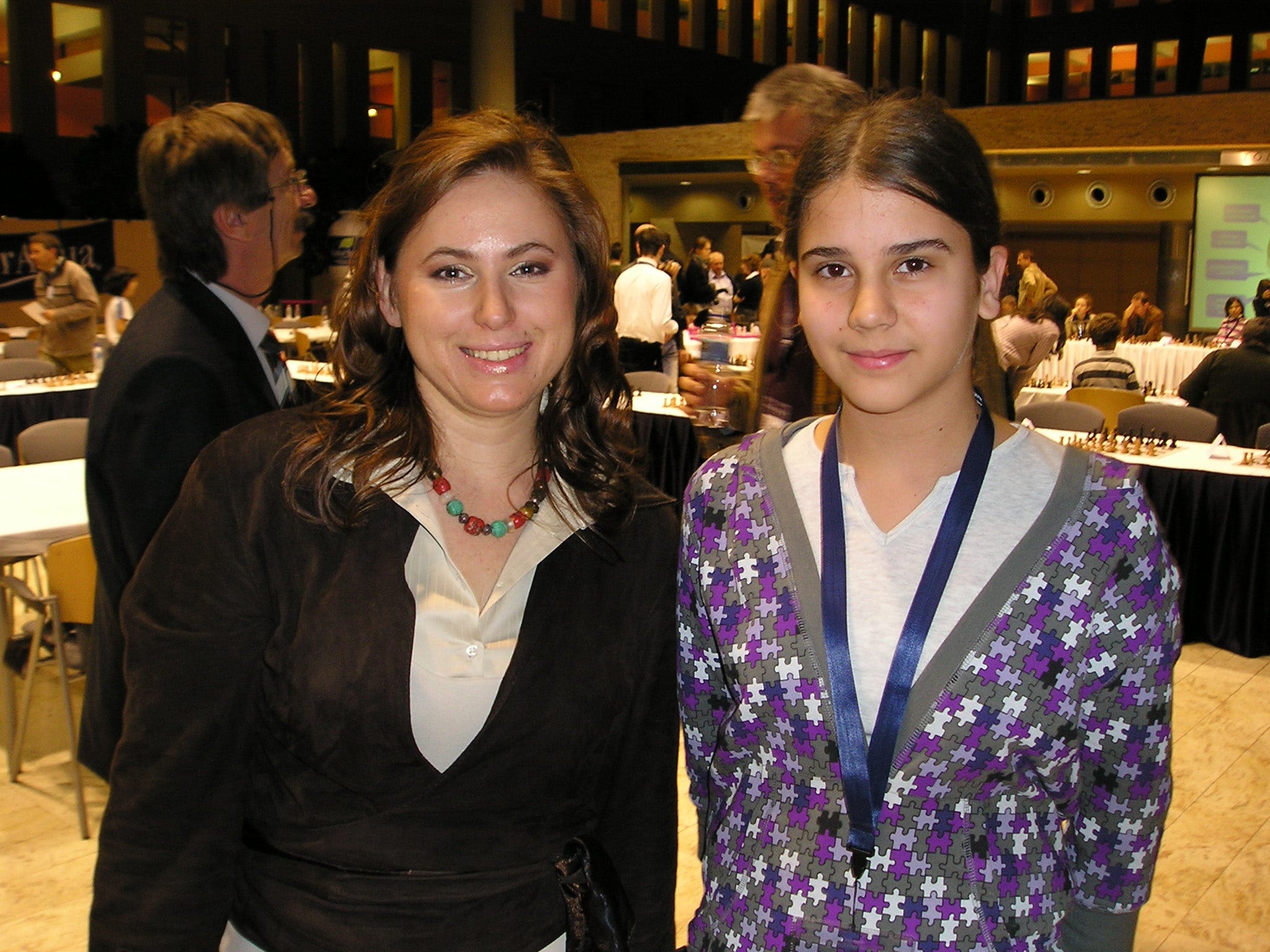
Since school wasn’t too hard for me, my teachers allowed me to miss classes and were genuinely supportive about my extracurricular interest. Unfortunately, I can’t say the same about most of my peers. Chess was definitely not the coolest activity back then, especially if you combined it with good grades. Nevertheless, I found good, lifelong friends at tournaments. I still look back fondly on chess camps and competitions where we had tons of fun, while playing chess or other games or staying up late discussing life, even though the adults had ordered us to sleep long before.
These friends helped me stay motivated even during harder, uninspiring days, especially since these were the only times I could see them, and because as they were progressing, I had to keep up with them.
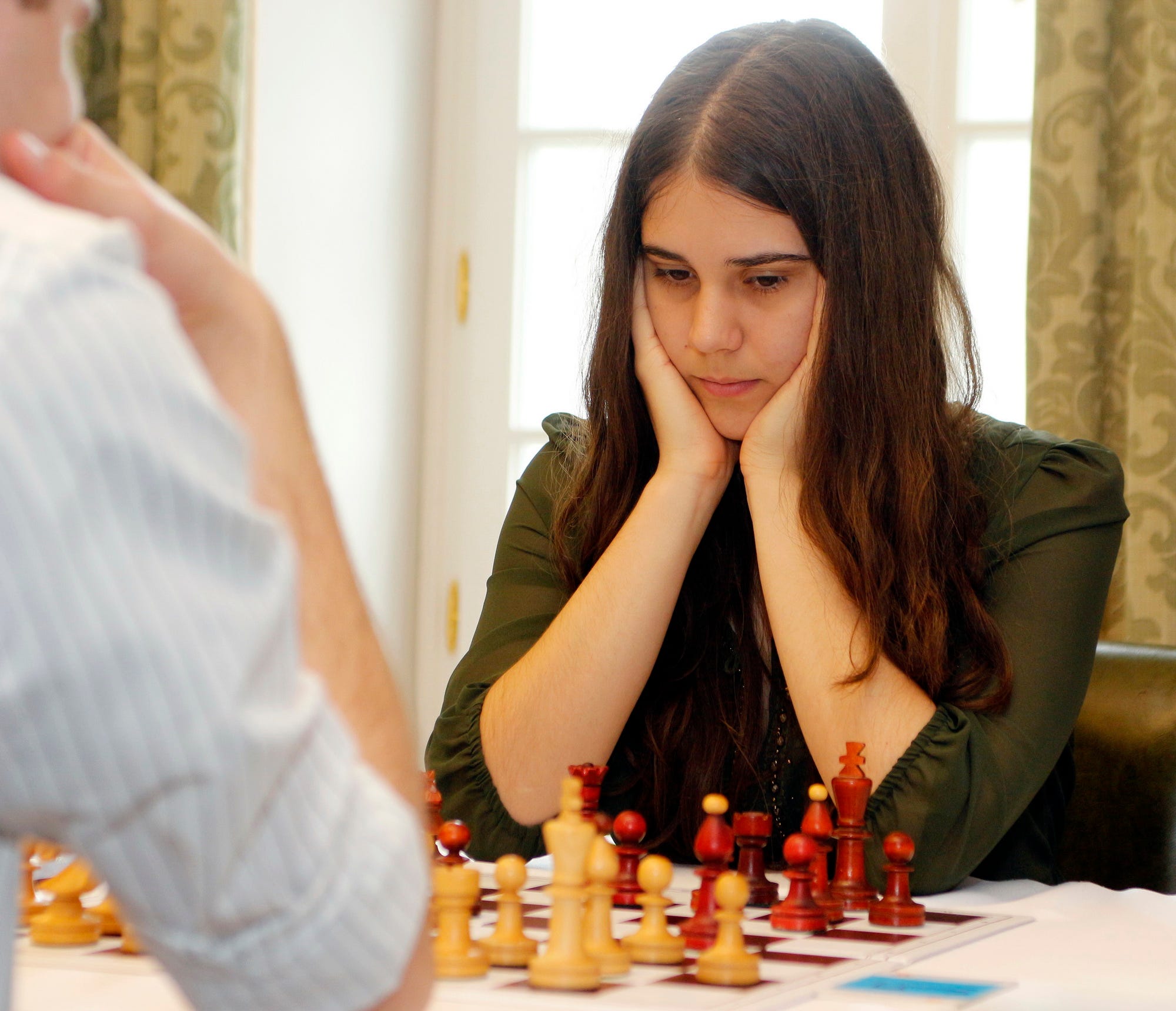
As I climbed the rating ladder, I often won or finished on the podium at the National Youth Championships, qualifying for the Youth European Union-, Youth European-, and Youth World Chess Championships. Sadly, I didn’t have the chance to represent my country at the latter, but I did win silver and bronze medals at the Youth European Union Championship and finished 6th (tied for 3rd) at the Youth European Rapid Championship.
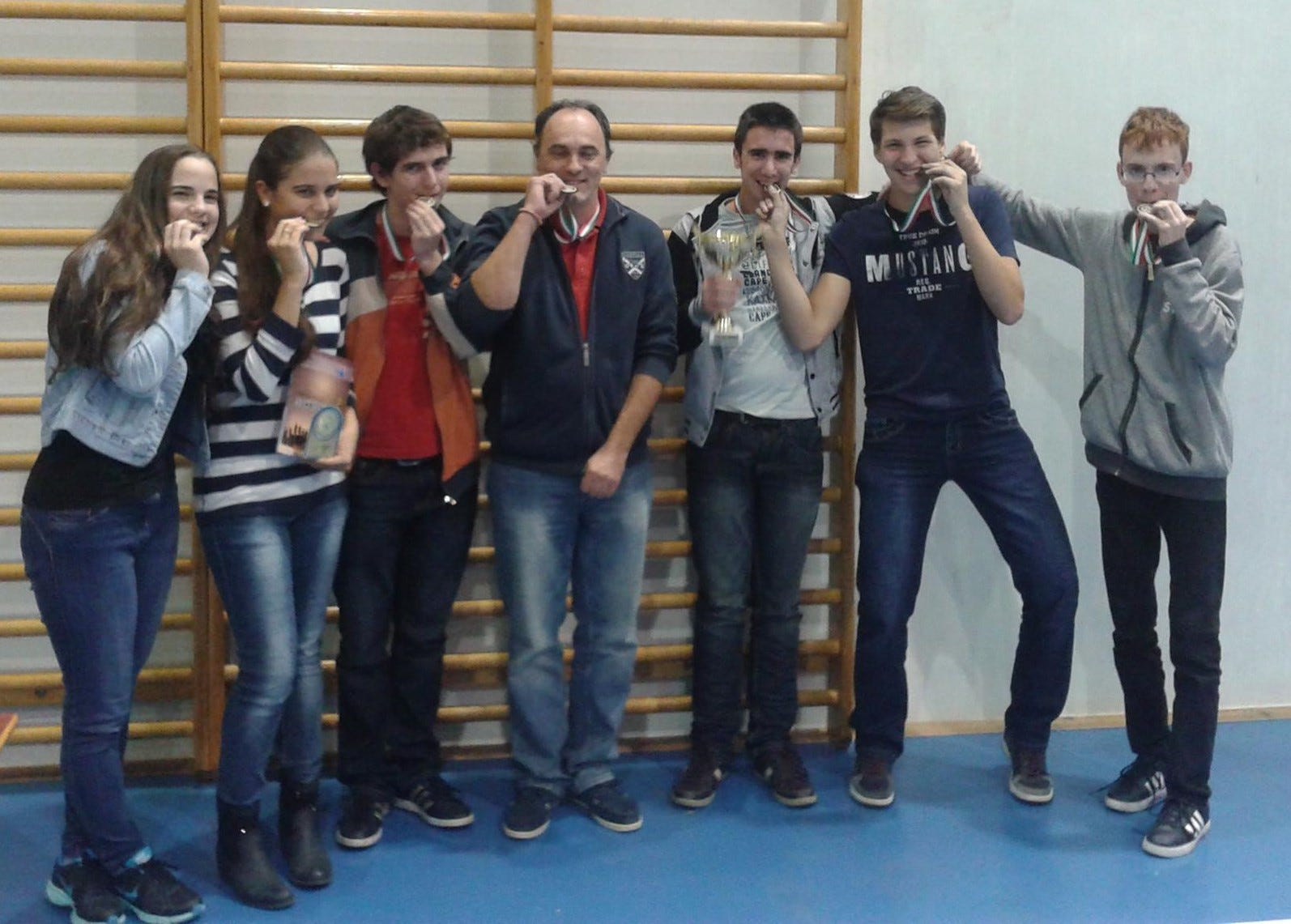
Before high school, due to some difficult personal events in my life that affected my performance and confidence, I was left without proper guidance, working with teachers only on and off. This changed after a couple of months, when my school’s team was preparing for the National Team Student Championship, and another player’s coach, FM Ernő Dede, came to help us.
After we won the gold medal at the competition, he took me under his wing, helping me regain my motivation and love for the game. Soon, I was back on track with my chess improvement. This period was probably the most fruitful of my chess career, as not long after getting a new coach, I earned a Woman International Master norm and a Woman Grandmaster norm, and went from approximately 2050 rating points to 2266 in a short time.
Ernő was not only a coach to me, but also a mentor; someone I could talk to about almost anything, shepherding me through both chess and life. Thanks to him, I was given multiple opportunities, acquired new skills, traveled, and learned more about the world, all of which helped me grow both as a player and as a person.
Ernő also gave me a little push to teach chess. On one occasion, he organized a chess camp for his students and ordered me to teach them one morning. I reluctantly accepted after a couple of “I can’t do this!” — “Yes, you can” exchanges. I ended up enjoying it so much that later on, I even accompanied a few of those students to the National Team Student Championship as a team captain, when I was too old to participate as a player.
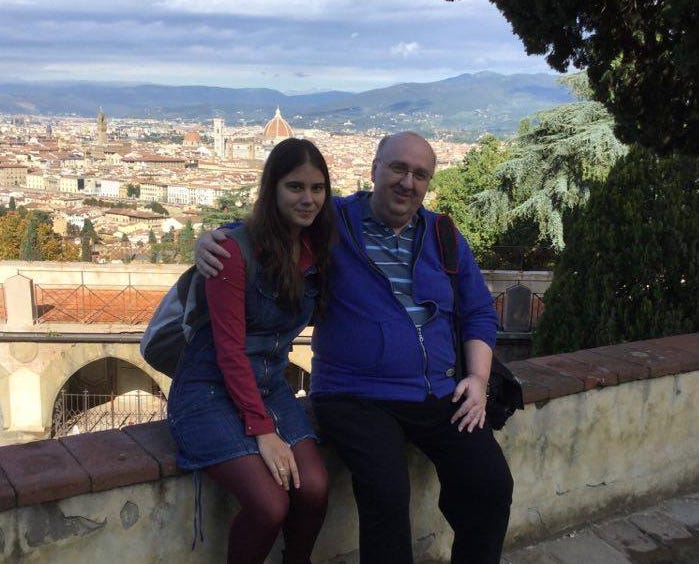
As the graduation exam was approaching, I found myself at a point in my life where I had to decide whether to pursue chess or become a doctor, as my teachers and family were insisting. Chess is an amazing game, but making a living solely from playing is brutal, and the amount of sacrifice one has to put into it may never pay off. The world is far too big and interesting to focus exclusively on one subject, giving up everything else (at least for me).
After realizing that neither of these paths was truly for me, I ended up submitting my application to psychology school, with sport psychology in mind as a possible direction. This way, I could continue studying and playing chess without fully abandoning either.
I had a promising start at university, as I was invited to a chess camp with the members of the Olympic Women’s Team, which piqued my motivation for a while. At the same time, being exposed to a completely new environment after flying out of the nest, missing my chess friends as they began their young adult lives, and my favorite coach, Ernő, falling seriously ill (he sadly passed away a few years later) caused that motivation to gradually fade.
Things might have been different if I had found someone new to learn from, but due to a terrible experience with a former teacher, I was less keen on doing so. On top of that, going on Erasmus to Italy and dealing with performance anxiety in tournaments only added to this process. After all, chess is far more enjoyable when you play it for fun, without constantly worrying about results, ratings and prizes. :)
The first time I coached professionally was during my higher education years, when I got the chance to teach chess to groups of little children in a kindergarten and in an elementary school, later individually as well, both offline and online. It definitely had its funny moments, except for when I was mistaken for an eighth grader in the elementary school at the age of 20, or when a 7-year-old wanted to bite me. However, once I went on the previously mentioned Erasmus and later moved to Greece, I had to look for other prospects.
Years passed, COVID struck the world, and a year later I decided to give chess streaming on Twitch a try. I didn’t have too much hope for it, considering that I’m an introvert and it was far beyond my comfort zone, especially since I was also much shyer at the time. Yet, I ended up enjoying it, talking and getting to know my audience really cheered me up while I was trying to finish my thesis and exams at university, in the Work and Organizational Psychology department, which I had continued with after my Bachelor’s degree.
Once I graduated, I realized coaching was what I wanted to do, but this time with adult improvers. I completely fell in love with this profession; I love getting to know people from different countries and learning more about them and their cultures, joking around during lessons, and, most importantly, seeing them grow their understanding of this game. :)
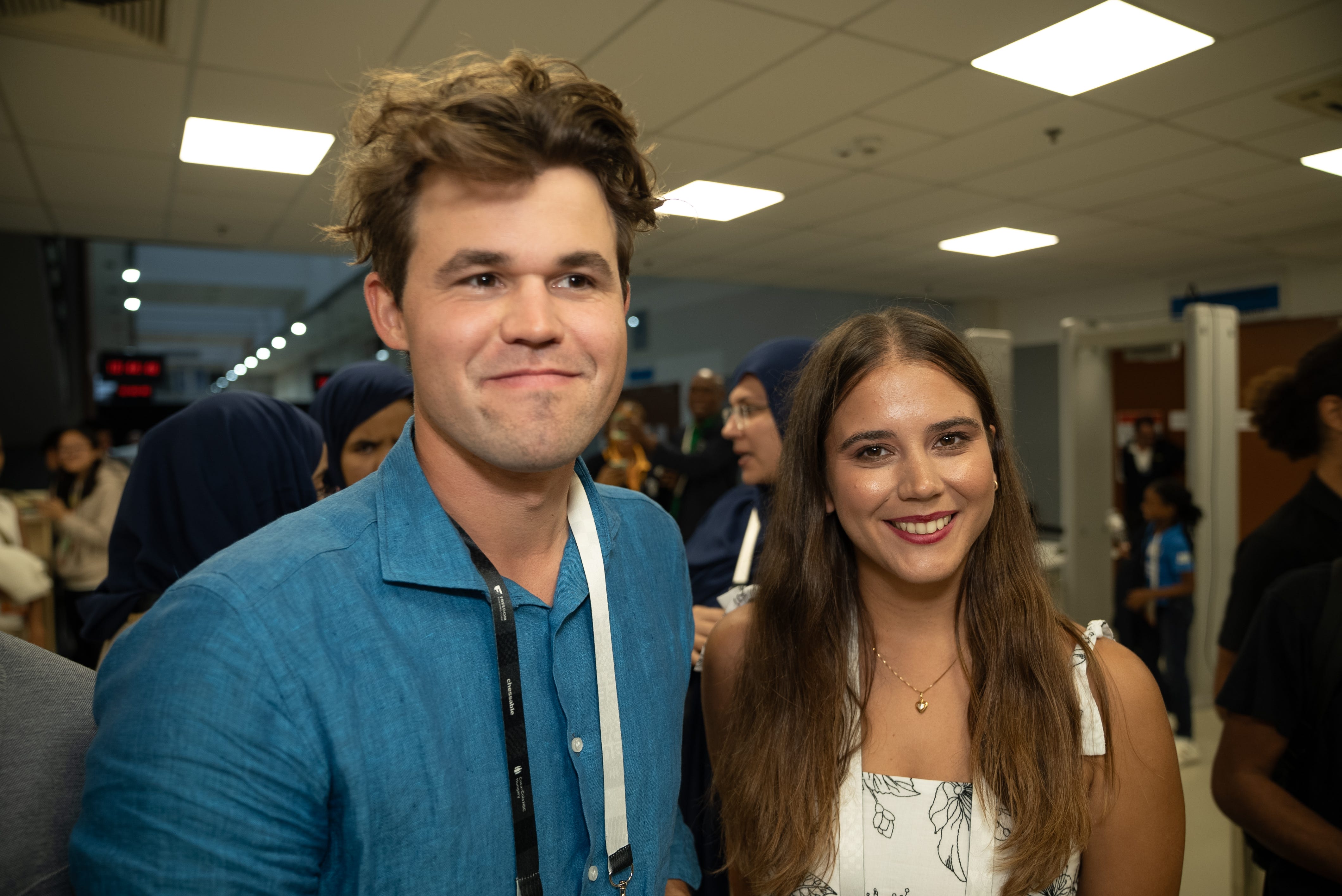
As for my chess career, it turns out the tables have turned. As a child, I enjoyed playing and sort of hated studying, but now I am more fond of learning than actually participating in tourneys or games. I still do these from time to time, and I even set some goals for myself (like finally earning the WIM title), but I take part in them less frequently.
Looking back, chess has never been just a game for me. It shaped who I am, tested my limits, and offered refuge when it was needed. Even though its role in my life has changed through the years, thanks to chess I met some of the most important people in my life, and it also gave me some of the most beautiful memories.
Through this blog, I’d like to share not only practical advice about chess improvement and psychology, but also the thoughts, struggles, and lessons that come with this journey. My main goal is to help you improve as a player, but also to feel more at ease with the ups and downs that come with this frustrating yet amazing game.
If any of this resonates with you and you’d like to follow along, don’t forget to subscribe! :)
Nice article! Good luck with your coaching!